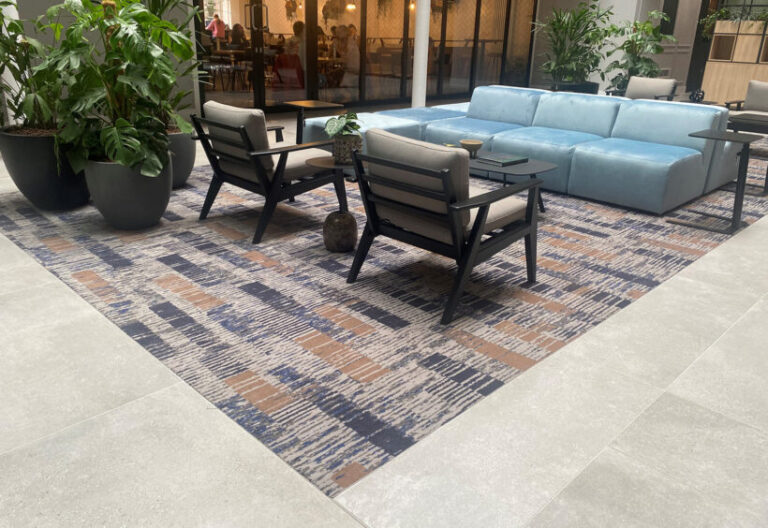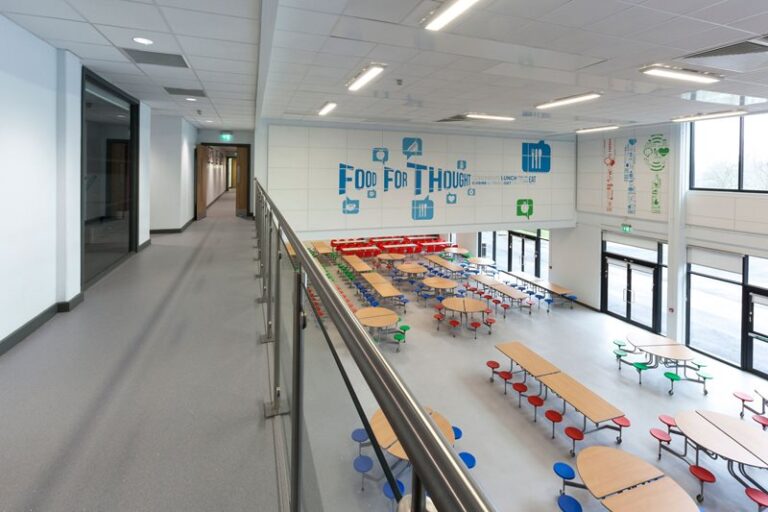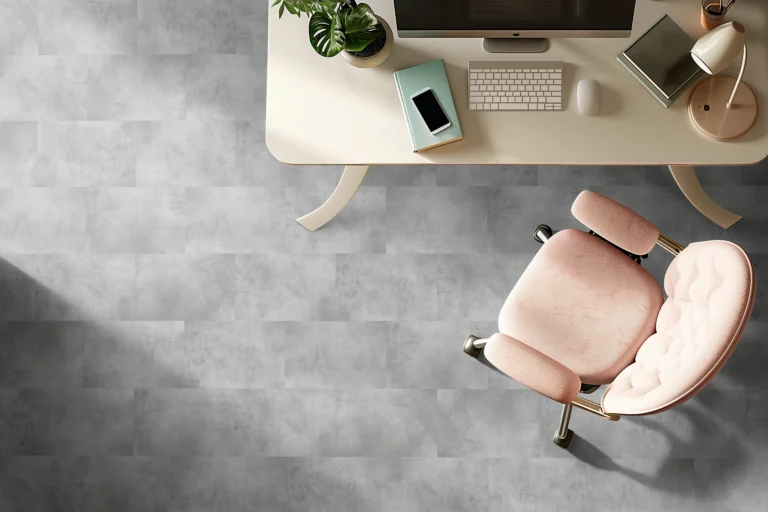
The story of British flooring is one deeply rooted in craftsmanship, industrial progress, and an enduring commitment to quality. For centuries, the United Kingdom has played a pivotal role in shaping the global flooring industry—setting standards for design, durability, and technical innovation.
Today, British flooring continues to evolve, blending traditional expertise with cutting-edge technology to meet the changing demands of modern commercial and residential spaces.
At The Floor Décor, we celebrate this rich heritage while embracing the future of floor-to-ceiling solutions.
Foundations of British Flooring Excellence
British flooring traditions began with handcrafted textiles, woven carpets, and natural materials that reflected exceptional artistry and precision.
During the 18th and 19th centuries, Britain became internationally renowned for:
- Wilton woven carpets
- Axminster craftsmanship
- Wool-rich textile production
- Precision manufacturing techniques
- Decorative interior design excellence
Regions such as Wiltshire and Devon became synonymous with premium carpet manufacturing, with British-made products exported across Europe and beyond.
These early foundations established Britain as a global benchmark for flooring quality and luxury.


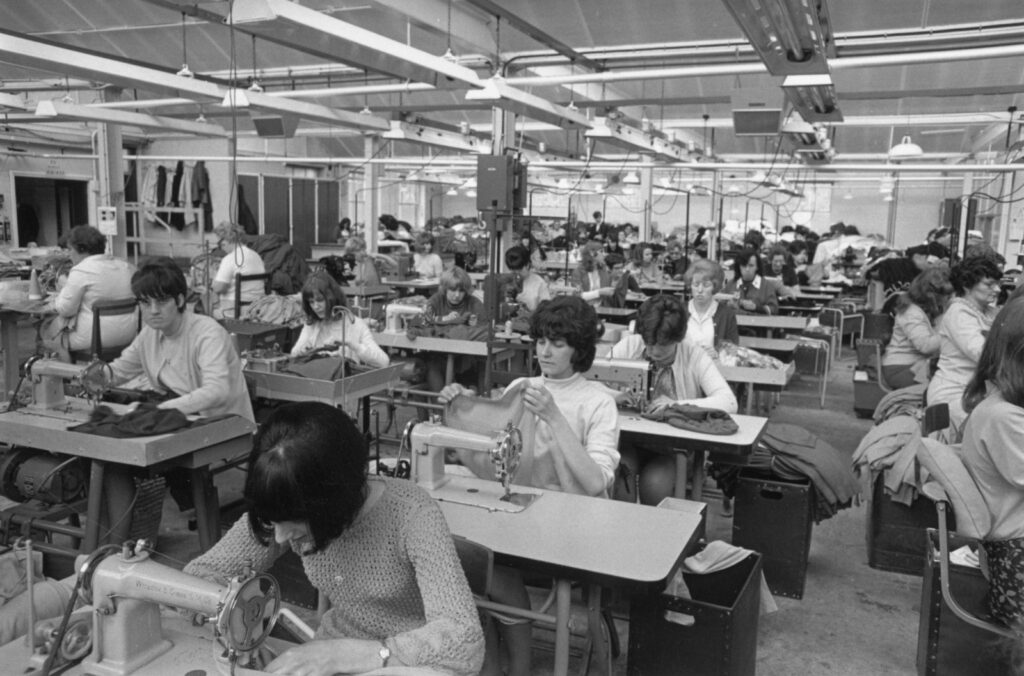
The Industrial Revolution: Scaling Innovation
The Industrial Revolution transformed British flooring from artisanal production into a powerful manufacturing sector.
Key advancements included:
- Mechanised weaving systems
- Mass carpet production
- Improved material durability
- Standardised quality control
- Expanded commercial applications
This era enabled British manufacturers to supply flooring solutions to offices, hospitality venues, government buildings, and public institutions at unprecedented scale.


The Shift Toward Commercial Performance
As architecture and workplace design evolved during the 20th century, flooring requirements expanded beyond visual appeal.
British manufacturers pioneered solutions focused on:
Durability
Heavy-traffic commercial spaces required stronger, longer-lasting materials.
Safety
Slip resistance and fire performance became critical.
Acoustic Performance
Workplaces and public buildings increasingly demanded sound management.
Flexibility
Modular carpet tiles and raised flooring systems offered adaptability for modern infrastructure.
This shift positioned British flooring as both a design feature and a functional building component.
Sustainability and the Modern Flooring Revolution
Today, British flooring manufacturers are leading the global transition toward environmentally responsible production.
Modern innovations include:
- Recycled carpet tile systems
- Low VOC flooring materials
- Luxury vinyl tiles with improved sustainability
- Raised access flooring for energy-efficient buildings
- Circular manufacturing practices
Brands such as Burmatex, Altro, and other UK innovators continue to shape the industry through sustainable solutions and technical excellence.
Floor-to-Ceiling Integration
The modern British approach extends far beyond flooring alone.
Today’s commercial interiors increasingly prioritize integrated solutions that combine:
- Flooring
- Wall finishes
- Acoustic systems
- Lighting
- Interior architectural elements
This holistic strategy supports cohesive design, operational efficiency, and long-term sustainability.
British Craftsmanship in a Global Market
Despite technological advancements, the core values of British flooring remain unchanged:
- Precision
- Reliability
- Design leadership
- Product longevity
- Quality craftsmanship
These principles continue to make British-inspired flooring solutions highly sought after worldwide.
The Floor Décor Commitment
At The Floor Décor, our philosophy is built on these same principles.
By combining British heritage with contemporary innovation, we deliver:
- Premium flooring systems
- Sustainable interior solutions
- Commercial floor-to-ceiling products
- Architect-focused specifications
- Long-lasting design performance
Our mission is to carry forward the legacy of British flooring while meeting the needs of modern spaces.